

TL;DR New windows typically save £100 to £350 per year on heating, which means a simple payback through energy savings alone runs 25 to 50 years. The financial case alone rarely justifies the spend. The honest case for replacement combines reduced heating costs, improved comfort, lower condensation risk, better sound insulation, and 50 to 80. . . read more
Author Archives: James

04
May
May
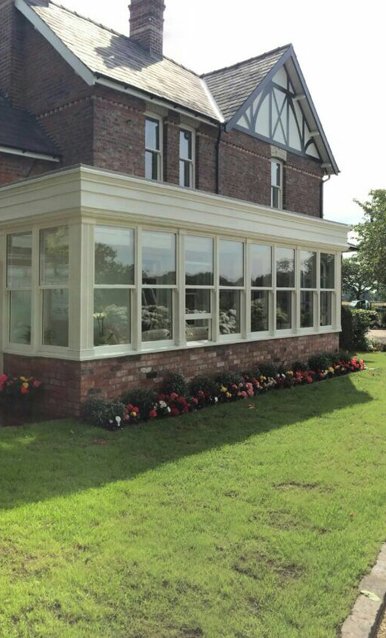
TL;DR uPVC suits most homes built between 1960 and 2000 at the lowest mainstream cost, with 20 to 25 years of reliable service and minimal maintenance. Pay for quality within the category; budget uPVC ages quickly. Aluminium suits contemporary properties, large glazed openings, and coastal locations. The 30 to 40 year lifespan and slim sightlines. . . read more
04
May
May
TL;DR Match the style to the property era. Sliding sash windows belong on Victorian, Edwardian and Georgian homes; casements suit 1930s semis and post-war stock; flush casements work on cottages and transitional properties; tilt-and-turn is the practical answer for flats. Listed buildings always need listed building consent, and conservation areas with Article 4 Directions may. . . read more

04
May
May
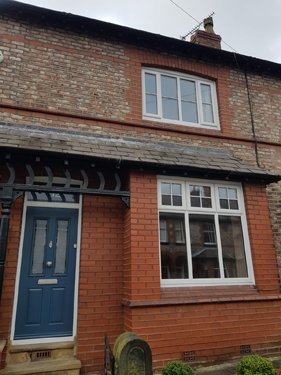
TL;DR Diagnose first by location: condensation on the inside means a humidity or ventilation issue; on the outside means efficient glazing; between the panes means a failed sealed unit; around the frame points to thermal bridging or installation issues. The fix rests on four pillars: reduce moisture at source, improve ventilation, keep room temperatures stable,. . . read more
04
May
May
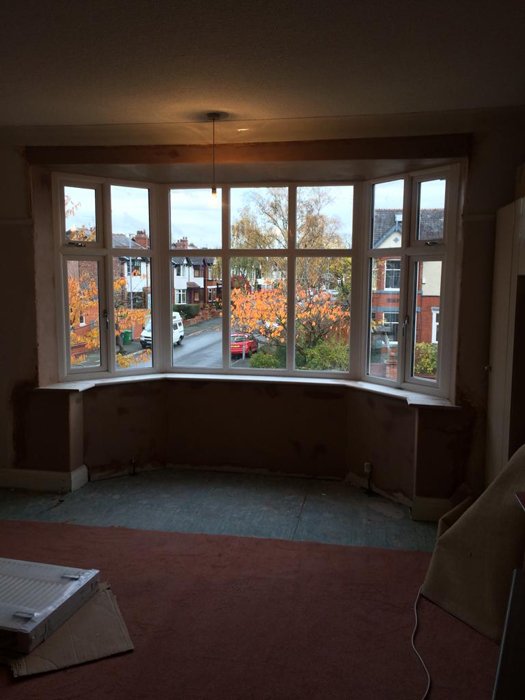
TL;DR The most expensive symptoms to ignore are persistent draughts, failed sealed units showing condensation between panes, visible rot or warping, rising heating bills, and water ingress around the frame. Repair is the right call when the frames are sound and only one or two issues are present. Replace when frames are compromised, multiple problems. . . read more
04
May
May
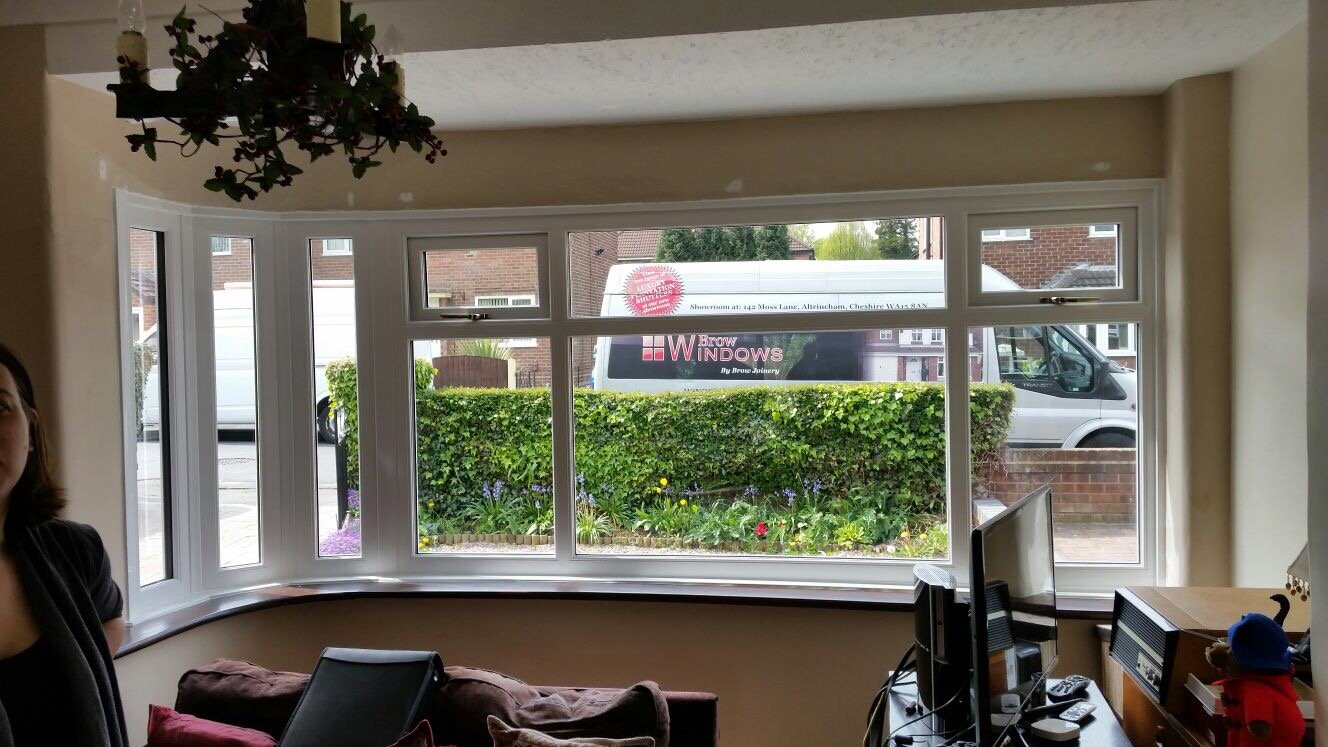
TL;DR Building Regulations apply to nearly all replacement window projects, but you do not need to apply yourself if you use a FENSA or CERTASS-registered installer who self-certifies the work and lodges the certificate for you. Planning permission is a separate framework. Like-for-like replacement on a standard freehold house is usually permitted development. Listed buildings. . . read more
04
May
May
TL;DR A standard UK window project runs six to twelve weeks from order to certified completion, with manufacturing taking up most of that time and fitting concentrated into one to three days. The technical survey is where rotten sub-frames, lintel issues and out-of-square openings get caught. A complete quote should explicitly cover scaffolding, disposal, making-good,. . . read more
04
May
May
TL;DR For replacement windows in existing UK dwellings, aim for a whole-window U-value of 1.4 W/m²K or better. The 1.2 to 1.4 range is the practical sweet spot for most homes. Always compare whole-window (Uw) figures, not centre-pane (Ug) figures. The centre-pane number looks flattering but ignores the frame, spacers and perimeter losses that determine. . . read more

04
May
May
TL;DR For most UK homes, modern quality double glazing is the right specification. It delivers strong thermal performance, comfortably meets Building Regulations, and represents better value than triple glazing. Triple glazing earns its 25 to 40 per cent premium on passive-house builds, exposed or coastal locations, heat pump installations, and north or east-facing rooms in. . . read more
04
May
May
TL;DR Most fitted windows in 2026 land between £600 and £2,500 each, with whole-house replacements typically £6,000 to £20,000 depending on property size, material and specification. uPVC suits most 1960s to 2000s homes; aluminium suits contemporary properties; timber is the right call for period homes; secondary glazing protects listed buildings and original sashes. Quality double. . . read more